
Are Physical Video Games Dead?

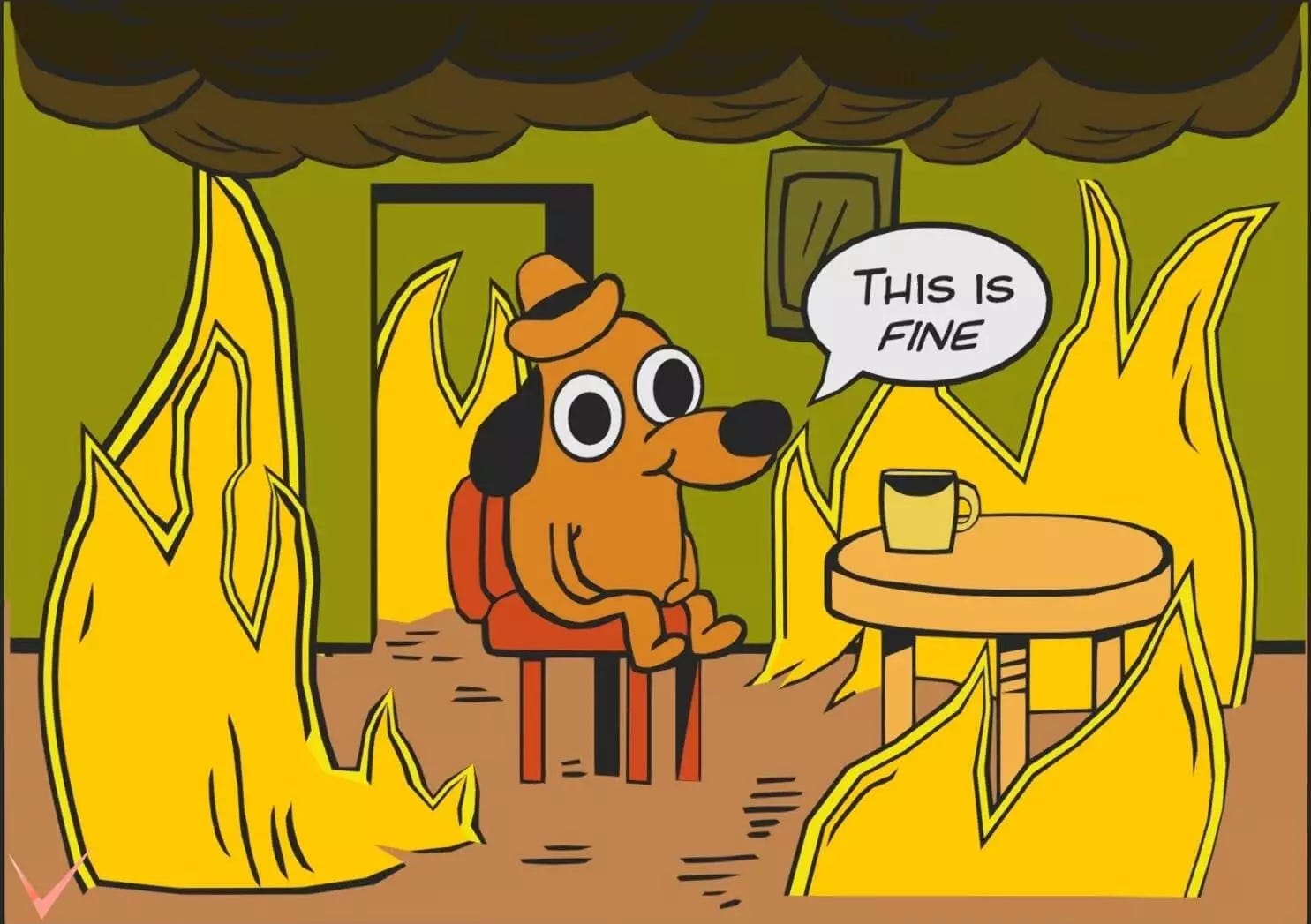
I wasn’t planning on writing this post. Or, to put it another way, I wasn’t planning on writing this article so soon. But here we are, on July 1, 2026 and I am writing this sentence: Sony announced that they will no longer produce physical game discs after January 2028. All games after this point will be available digitally on the PlayStation Store or at retailers via a digital download code presumably inside a box, but maybe not.
I would like to just outline some of the many problems that present itself with this decision. To be clear, this is only a good thing for Sony. Actually, it might not be a good thing for Sony if their consumers decide to vote with their wallet. But certainly, as a video gamer, this is not good for anyone even if you aren’t a physical media person. What follows is nothing that hasn’t been said by more popular outlets and probably more articulately.
Obviously the first concern is the conclusion of physical game media. As many of you know, I am a physical media guy. And I know many of you on here are as well. I love hunting down a physical copy of a game, getting a good deal, opening the box, inserting the cartridge or disc into the system, listening to the physical parts whirr and boot up. It’s a wonderful experience. While I have continued to buy modern physical media, I am not ignorant to the fact that a lot of games nowadays do not contain the entire game on the disc or cartridge. Us physical media people have just had to live with that fact, but at least some of the game is on the media and at least we have a physical cart or disc to point to on our shelves. But that is about to end. No longer will you be able to get a better deal on the secondary market. No longer will you be able to sell or trade your game to someone or to a third party reseller. No longer will you be able to showcase the fantastic artwork that is created for some of these games and have them on your shelf. I have seen some say, “well, movies and music did this a long time ago and everything is fine”. But that’s not entirely true. Yes, music and movies are primarily distributed in digital form. But, companies still produce Blu-Ray/4K movies. Music companies still produce CDs. And I’m not talking about Criterion. Brand new movies have physical releases. Heck, vinyl records have made a comeback! Why? Because they understand the value of having options for their consumers, something that Sony is apparently forgetting or deciding to overlook.
The next, likely more impactful concern to all gamers, is ownership. Let me be clear: if you are buying digital games on consoles, you DO NOT OWN THEM. You may think you do because so far (for the most part) you have been able to re-download those games anytime you want. But, as we have seen with Nintendo’s closure of their old eShops, Sony taking away 500+ movies and shows from Studio Canal as well as them shuttering the Vita and PS3 stores it is very clear that you are only renting or leasing the game you purchase digitally. Some of you may say, so what? I play a game and when I’m done with it, I do not return to it ever. And that may be fine for you and that’s great. But there are a lot of people want to own their games. They like to re-play games just like they re-watch shows or re-listen to music. Or maybe they want to share the game experience with a friend or a family member. I have two kids that I am currently trying to expose to classic games for example. In a few years, if I want to show them Uncharted for example and I didn’t have a physical copy, there would be no way to play that game if there’s no digital option. It’s is no longer an option unless the digital store company re-releases the game on a newer version of said store. And in that case, they will most likely not be giving it to you for free, you will have to pay for it again to “own” it again(aka rent it). Which means more money for the game company and more money out of pocket for the consumer for a game you should have already owned to begin with. Digital rights ownership has been a problem for a long time, but while console makers were manufacturing discs and carts, it was a problem we had time to solve in a way. We should not be doing this until there is a solid agreement on ownership of digital content.
Then there’s the issue of options. You thought games were expensive now, wait until you can only buy PlayStation games on a singular digital store that is owned by Sony. Sony controls the pricing, there will no longer be a secondary market and so they will decide when there will be a deal. Again, Nintendo has sort-of set some precedence here in that they rarely discount their games. They can’t control the secondary market, but they can decide when new games get discounts and when their digital offerings get discounts. And when it happens it is rare and the discount is not that great. Console makers would love to have a singular place for you to purchase their games. They make more money because they are charging more. And since there is no secondary market, they are making even more because a 1-2 year old game will be purchased through their store instead of off WhatNot or Ebay. Third party games stand to gain from this as well. We may see more discounts from third parties but they also will be raking in more cash due to the elimination of the secondary market so why offer a ton of discounts?
This was more of a rant than an organized article. But I wanted to get my thoughts out there and do my part in making people at least consider what is happening right now and the ramifications. Maybe we are all over-reacting but seems like this can only be a bad thing for us gamers. But just remember, these are massive companies and their primary goal in life is to make money. That being said, I’d love to hear other opinions. I’ve also posted a chat thread for my paid subscribers to discuss if you want to chat over there. Back to regularly scheduled programming on Monday, hope to see you there!
If you want to voice your opinion, you can fill out this petition at Change.org: https://c.org/L6JZRxwD
I think that one consequence of this decision Is obvious: once Sony realizes that they are not as afloat as they wanted to be the next step will be to become the Netflix of games. Not only will you buy a costly console, you will also pay subscription to access games on it.